Daftar Isi
- Exploring Computerized Embroidery Services Available in Jogja
- What Exactly is Computerized Embroidery?
- Key Benefits for Businesses and Individuals in Yogyakarta
- Why Choosing Local Embroidery Services Matters
- Navigating the Computerized Embroidery Process: A Tutorial
- Initial Consultation and Design Submission Steps
- The Art of Digitizing Your Artwork for Embroidery
- Selecting the Right Materials and Threading Techniques
- Understanding the Automated Embroidery Production Phase
- Final Quality Control and Finishing Touches Explained
- Optimizing Your Design for Digital Embroidery in Jogja
- Essential File Formats and Resolution Requirements
- Considering Design Complexity and Stitch Count Impact
- Achieving Perfect Color Selection and Thread Matching
- Selecting the Ideal Computerized Embroidery Provider in Jogja
- Crucial Qualities of a Reputable Embroidery Service
- Evaluating Portfolios and Customer Reviews Effectively
- Comparing Pricing Structures and Turnaround Times
- Understanding Cost Factors for Embroidery Services in Yogyakarta
- Breaking Down Standard Embroidery Pricing Structures
- How Quantity and Design Size Influence Costs
- Identifying Potential Additional Fees and Charges
- Key Takeaways & Next Steps
- Share this:
Are you looking to add a professional, personalized touch to your apparel, accessories, or promotional items in Yogyakarta? Understanding the process of computerized embroidery can unlock a world of creative possibilities. This comprehensive guide provides a detailed Jasa Bordir Komputer di Jogja Step-by-Step Tutorial, designed to help you navigate the world of digital embroidery services available right here in Jogja. Whether you’re a small business owner, a community organizer, or an individual with a custom project in mind, knowing the ins and outs of this modern technique will empower you to make informed decisions and achieve outstanding results. From initial design concepts to the final stitched product, we’ll walk you through every crucial stage, ensuring your vision comes to life with precision and quality.
Exploring Computerized Embroidery Services Available in Jogja
Have you ever wondered what makes computerized embroidery such a popular choice for customization in Yogyakarta? This advanced technique offers unparalleled precision and consistency, making it ideal for a wide range of applications. In Jogja, the demand for high-quality, durable, and visually appealing embroidered products continues to grow, from corporate uniforms to personalized gifts. Understanding the fundamentals of this service is the first step towards leveraging its full potential for your specific needs.
What Exactly is Computerized Embroidery?
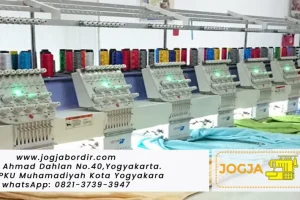
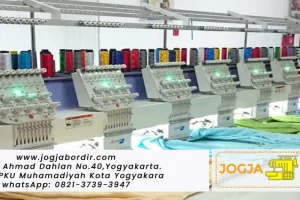
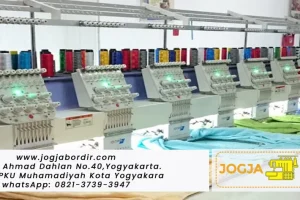
Computerized embroidery is a modern textile art form where designs are created using specialized software and then stitched onto fabric by an automated embroidery machine. Unlike traditional hand embroidery, which relies on manual skill and can be time-consuming, computerized embroidery offers speed, accuracy, and the ability to reproduce complex designs with remarkable consistency. The process begins with a digital design file, which is then translated into stitch data that the machine can interpret. This allows for intricate patterns, logos, and text to be applied to various materials, including cotton, polyester, denim, and even leather, with exceptional detail. The versatility of this method means that whether you need a single custom piece or a large batch of identical items, computerized embroidery can deliver professional results efficiently.
Key Benefits for Businesses and Individuals in Yogyakarta
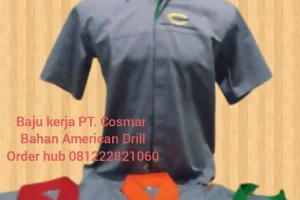
For businesses in Yogyakarta, computerized embroidery offers significant advantages. It’s an excellent way to enhance brand visibility through branded uniforms, merchandise, or promotional items. The durability of embroidered logos ensures a long-lasting impression, resisting wear and tear better than many print methods. For individuals, it provides a unique opportunity for personalization, allowing for custom gifts, bespoke apparel, or commemorative items that truly stand out. The ability to reproduce designs accurately across multiple items is particularly beneficial for sports teams, clubs, or event organizers who require consistent branding. Furthermore, the wide array of thread colors and types available means that designs can be vibrant and visually striking, adding a premium feel to any product.
Why Choosing Local Embroidery Services Matters
Opting for local Jasa Bordir Komputer di Jogja services offers several distinct benefits. Firstly, it allows for direct communication and consultation, ensuring your specific requirements are clearly understood and met. You can easily visit the workshop, discuss design options, inspect material samples, and review prototypes in person. This hands-on approach minimizes misunderstandings and helps achieve the desired outcome more efficiently. Secondly, local providers often have a better understanding of regional trends, cultural nuances, and specific material availability, which can be invaluable for tailoring your project. Lastly, supporting local businesses contributes to the economic growth of Yogyakarta, fostering community development and creating job opportunities within the region. It also often means quicker turnaround times and easier logistics for pickup and delivery.
Navigating the Computerized Embroidery Process: A Tutorial
Embarking on an embroidery project can seem daunting, but with a clear understanding of each step, you’ll find the process straightforward and rewarding. This section provides a practical Jasa Bordir Komputer di Jogja Step-by-Step Tutorial, guiding you through the typical workflow from your initial idea to the finished embroidered product. Knowing what to expect at each stage will help you prepare your designs and communicate effectively with your chosen embroidery service provider in Jogja.
Initial Consultation and Design Submission Steps
The journey of your embroidery project begins with an initial consultation. This is your opportunity to discuss your vision, project scope, and specific requirements with the embroidery service provider. Be prepared to share details such as:
- Your Design Concept: Provide sketches, existing logos, or reference images.
- Item Type: Specify what you want embroidered (e.g., t-shirts, hats, jackets, bags).
- Quantity: Indicate the number of items you need.
- Placement: Where on the item should the embroidery be located? (e.g., left chest, back, sleeve).
- Desired Size: Approximate dimensions of the embroidered design.
- Deadline: Any specific dates you need the project completed by.
Most providers in Jogja will ask for your design in a digital format, such as a high-resolution JPEG, PNG, PDF, or vector file (AI, EPS, SVG). The clearer and higher quality your initial artwork, the smoother the digitizing process will be.
The Art of Digitizing Your Artwork for Embroidery
Digitizing is arguably the most critical step in the computerized embroidery process. It involves converting your submitted artwork into a stitch file (e.g., DST, PES, JEF) that the embroidery machine can read. This is not a simple conversion; it’s an art form that requires specialized software and a skilled digitizer. The digitizer determines:
- Stitch Types: Choosing between satin, fill, or running stitches based on design elements.
- Stitch Direction: How the threads will lay to create texture and depth.
- Underlay Stitches: Foundation stitches that stabilize the fabric and prevent puckering.
- Color Changes: Programming where the machine needs to switch thread colors.
- Trims: Instructions for the machine to cut threads between design elements.
A well-digitized file ensures a smooth, high-quality embroidery output, minimizing issues like thread breaks or poor registration. Your provider in Jogja will typically create a digital proof for your approval after digitizing.
Selecting the Right Materials and Threading Techniques
The choice of materials significantly impacts the final look and durability of your embroidered product. Your embroidery service will guide you in selecting:
- Fabric Type: Different fabrics (e.g., pique polo, denim, fleece) require different hooping and stabilization techniques.
- Thread Type: Polyester threads are common for durability and colorfastness, while rayon offers a silkier sheen. Metallic threads or specialty threads can add unique effects.
- Stabilizer: A backing material placed under the fabric to prevent stretching, puckering, and distortion during stitching. Stabilizers come in various weights and types (cut-away, tear-away, wash-away) depending on the fabric and design density.
The threading technique refers to how the machine is set up with the chosen threads. Modern embroidery machines can handle multiple colors, automatically switching as programmed in the digitized file. Ensuring the correct thread tension and needle size for the fabric and thread type is crucial for a clean, professional finish.
Understanding the Automated Embroidery Production Phase
Once the design is digitized, materials are selected, and the machine is threaded, the automated production phase begins. This is where the magic happens:
- Hooping: The fabric is securely clamped into an embroidery hoop, which holds it taut and stable on the machine.
- Loading the Design: The digitized file is loaded into the embroidery machine’s computer.
- Machine Operation: The machine automatically stitches the design, following the programmed instructions for stitch type, direction, and color changes. Operators monitor the process to ensure smooth operation, replenish threads, and address any issues.
- Batch Production: For multiple items, the process is repeated, ensuring consistency across the entire order.
This automated process is what allows for the efficient production of high-volume orders while maintaining consistent quality, a hallmark of reliable Jasa Bordir Komputer di Jogja.
Final Quality Control and Finishing Touches Explained
After the embroidery is complete, each item undergoes a rigorous quality control process. This involves:
- Inspection: Checking for any skipped stitches, thread breaks, misalignments, or other imperfections.
- Trimming: Removing any loose threads or excess stabilizer from the back of the embroidery.
- Steaming/Pressing: To remove hoop marks and give the embroidery a crisp, finished look.
- Packaging: Items are then folded, bagged, or prepared for delivery according to client specifications.
A reputable embroidery service in Jogja will ensure that every item meets their high standards before it reaches your hands, guaranteeing satisfaction with your custom embroidered products.
Optimizing Your Design for Digital Embroidery in Jogja
Achieving the best possible outcome for your embroidery project in Jogja starts with an optimized design. While computerized embroidery offers incredible detail, understanding its limitations and best practices can significantly enhance the final product. Preparing your artwork correctly can save time, reduce costs, and ensure your vision is perfectly translated into stitches.
Essential File Formats and Resolution Requirements
When submitting your design to a Jasa Bordir Komputer di Jogja provider, the file format and resolution are crucial. Vector files are generally preferred because they are scalable without losing quality. Common vector formats include:
- .AI (Adobe Illustrator)
- .EPS (Encapsulated PostScript)
- .SVG (Scalable Vector Graphics)
- .CDR (CorelDRAW)
If a vector file isn’t available, a high-resolution raster image can be used, but it might require more work during the digitizing phase. For raster images (like .JPG, .PNG, .BMP, .TIFF), aim for at least 300 DPI (dots per inch) at the intended embroidery size. Low-resolution images can result in pixelated or blurry designs, making it difficult for the digitizer to accurately interpret the details, potentially leading to a less crisp final embroidery. Always provide the highest quality source file you have.
Considering Design Complexity and Stitch Count Impact
The complexity of your design directly influences the stitch count, which in turn affects both the production time and cost. Designs with fine details, gradients, or numerous small elements will have a higher stitch count than simpler, bolder designs. While computerized embroidery can handle intricate patterns, extremely small text or very thin lines can be challenging to reproduce clearly with thread. Threads have a certain thickness, and trying to stitch details smaller than the thread itself can lead to a messy or illegible result. Discussing design limitations with your Jogja embroidery service early on can help you refine your artwork for optimal embroidery quality. Sometimes, simplifying a design slightly can yield a much cleaner and more impactful embroidered outcome.
Achieving Perfect Color Selection and Thread Matching
Color plays a vital role in the visual appeal of your embroidered design. When selecting colors, consider how they will appear on the chosen fabric. Most embroidery services use standardized thread color charts, such as Madeira or Isacord, which have thousands of shades. It’s best to provide your desired colors using a Pantone Matching System (PMS) code if possible, or by referencing a specific thread chart. This ensures accurate color matching between your digital design and the physical threads. Keep in mind that thread colors can look slightly different on various fabric types or under different lighting conditions. Your provider in Jogja can offer advice on color combinations that will stand out and complement your chosen garment, ensuring your embroidered design looks vibrant and professional.
Selecting the Ideal Computerized Embroidery Provider in Jogja
Choosing the right Jasa Bordir Komputer di Jogja is paramount to the success of your project. With several options available, knowing what to look for can help you make an informed decision and ensure you receive high-quality service and products. A reliable provider will not only deliver excellent embroidery but also offer valuable guidance and support throughout the process.
Crucial Qualities of a Reputable Embroidery Service
When evaluating potential embroidery providers in Yogyakarta, consider these essential qualities:
- Experience and Expertise: Look for a provider with a proven track record in computerized embroidery. Experience often translates to better digitizing skills, knowledge of various fabrics, and problem-solving capabilities.
- Quality Equipment: Modern, well-maintained embroidery machines are crucial for precision and efficiency. Inquire about the type of machines they use.
- Attention to Detail: A good service pays meticulous attention to every aspect, from thread selection to final finishing, ensuring a flawless product.
- Communication: Clear, prompt, and honest communication is vital. They should be responsive to your questions and keep you updated on your project’s progress.
- Customer Service: A friendly and helpful team that is willing to go the extra mile to meet your needs.
- Flexibility: The ability to accommodate different order sizes, design complexities, and sometimes even tight deadlines.
These qualities collectively contribute to a smooth and satisfactory embroidery experience.
Evaluating Portfolios and Customer Reviews Effectively
Before committing to a provider, take the time to review their portfolio. A strong portfolio will showcase a diverse range of projects, demonstrating their capability with different designs, fabrics, and stitch types. Look for:
- Clarity of Stitches: Are the lines crisp and well-defined?
- Color Accuracy: Do the colors look vibrant and true to the original design?
- Fabric Handling: Is there any puckering or distortion around the embroidery?
- Variety: Do they have experience with projects similar to yours?
Beyond the portfolio, customer reviews and testimonials offer invaluable insights into a provider’s reliability and service quality. Check their Google reviews, social media comments, or ask for references. Pay attention to comments regarding turnaround times, communication, and overall satisfaction. Consistent positive feedback is a strong indicator of a trustworthy Jasa Bordir Komputer di Jogja.
Comparing Pricing Structures and Turnaround Times
Pricing for computerized embroidery can vary based on several factors, including stitch count, number of colors, quantity of items, and complexity of the design. Obtain detailed quotes from multiple providers in Jogja to compare their pricing structures. Be wary of unusually low prices, as they might indicate compromises in quality or service. A transparent pricing model that clearly breaks down costs is always preferable. Similarly, inquire about their typical turnaround times. While some projects might be completed quickly, larger or more complex orders will naturally take longer. Ensure their estimated completion time aligns with your deadlines. A reputable provider will be upfront about their lead times and communicate any potential delays promptly.
Understanding Cost Factors for Embroidery Services in Yogyakarta
When planning your embroidery project with a Jasa Bordir Komputer di Jogja provider, understanding the cost factors involved is essential for budgeting and avoiding unexpected expenses. While prices can vary, most services follow a similar structure based on the effort and resources required for your specific order. Being aware of these elements will help you get a clear and accurate quote.
Breaking Down Standard Embroidery Pricing Structures
The primary cost drivers for computerized embroidery services typically include:
- Digitizing Fee: This is a one-time charge for converting your artwork into a stitch-ready file. The cost depends on the complexity of your design. Some providers might waive this fee for very large orders or repeat orders using the same design.
- Stitch Count: This is the most significant factor. The more stitches required to create your design, the higher the cost. Larger designs and those with dense fill areas will have higher stitch counts.
- Number of Colors: While modern machines can handle many colors, each color change requires programming and potentially more setup time, which can slightly influence the price, though less so than stitch count.
- Item Type: The type of garment or item being embroidered can affect the price. Some items are more challenging to hoop or require special handling, leading to a slightly higher cost per piece.
- Quantity: Embroidery services often offer volume discounts. The more items you order with the same design, the lower the per-piece cost will generally be.
Always ask for a detailed breakdown of costs to understand what you are paying for.
How Quantity and Design Size Influence Costs
As mentioned, quantity plays a crucial role in pricing. The initial setup (digitizing, machine programming, hooping) takes a fixed amount of time regardless of whether you’re embroidering one item or a hundred. Spreading this fixed cost over more items makes the per-unit price more economical. Therefore, ordering in bulk is almost always more cost-effective than ordering single pieces. Design size directly impacts the stitch count. A larger design will naturally require more stitches and thus more thread and machine time, leading to a higher cost. Conversely, a smaller, simpler design will be less expensive. It’s important to balance your desired visual impact with your budget when determining the optimal size for your embroidery.
Identifying Potential Additional Fees and Charges
While the core pricing is based on digitizing and stitch count, be aware of potential additional fees that might apply:
- Rush Order Fees: If you need your project completed faster than the standard turnaround time, a rush fee may be applied.
- Artwork Redesign/Cleanup: If your submitted artwork is low quality or requires significant modifications before digitizing, there might be an extra charge for graphic design services.
- Special Thread Requests: Using specialty threads like metallic, glow-in-the-dark, or fire-resistant threads might incur additional costs due to their higher material price or specific machine requirements.
- Sampling/Proofing: While many providers offer a digital proof, a physical sample stitch-out on your actual garment might come with an additional fee, especially for complex projects or if multiple revisions are needed.
- Shipping/Delivery: If you require delivery outside of local pickup, shipping charges will apply.
Always clarify all potential charges with your chosen Jasa Bordir Komputer di Jogja provider upfront to ensure full transparency and avoid any surprises.
Key Takeaways & Next Steps
Navigating the world of computerized embroidery in Jogja doesn’t have to be complicated. By following this Jasa Bordir Komputer di Jogja Step-by-Step Tutorial, you’re now equipped with the knowledge to confidently approach your next custom project. Remember that clear communication, optimized design files, and a thorough understanding of the process are key to achieving outstanding results.
Key Takeaways:
- Computerized embroidery offers precision, durability, and consistency for branding and personalization.
- The process involves initial consultation, digitizing, material selection, automated production, and quality control.
- Optimizing your design with high-resolution vector files and considering complexity impacts the final quality and cost.
- Choosing a reputable local provider in Jogja ensures better communication, quality, and support.
- Costs are primarily influenced by digitizing fees, stitch count, quantity, and design size, with potential for additional charges.
Next Steps:
- Refine Your Design: Ensure your artwork is in the highest possible resolution and format.
- Gather Project Details: Clearly define your item type, quantity, placement, and desired timeline.
- Research Providers: Look for experienced Jasa Bordir Komputer di Jogja services with strong portfolios and positive reviews.
- Request Quotes: Obtain detailed quotes from several providers, comparing their pricing structures and turnaround times.
- Communicate Clearly: Discuss all aspects of your project, including potential challenges and specific requirements, with your chosen provider.
With these steps, you’re well on your way to creating beautifully embroidered items that perfectly capture your vision and leave a lasting impression.