Daftar Isi
- Exploring Emerging Uniform Manufacturing Trends for 2025
- Understanding the Shift in Corporate and Institutional Demands
- Anticipating Material and Design Preferences for Next Year
- Key Innovations Shaping Jasa Konveksi Seragam in 2025
- Advanced Fabric Technologies for Enhanced Comfort and Durability
- Smart Uniform Integration and Wearable Tech Potential
- Sustainable Practices Revolutionizing Uniform Production Services
- Eco-Friendly Materials and Ethical Sourcing Strategies
- Waste Reduction and Circular Economy Models in Manufacturing
- Technological Advancements in Modern Uniform Manufacturing
- Automation and AI in Design and Production Processes
- Digital Prototyping and 3D Design for Custom Uniforms
- Designing Future-Ready Uniforms: Aesthetic and Functional Trends
- Minimalism and Versatility in Professional Uniform Design
- Incorporating Brand Identity with Modern Style Elements
- Choosing the Right Jasa Konveksi Seragam Partner for 2025
- Evaluating Expertise in Trend-Driven Uniform Solutions
- Importance of Quality Control and Timely Delivery
- Impact of Customization on Uniform Services in the Coming Year
- Personalized Uniforms for Enhanced Employee Satisfaction
- Mass Customization Strategies for Diverse Organizational Needs
- Key Takeaways & Next Steps
- Share this:
Exploring Emerging Uniform Manufacturing Trends for 2025
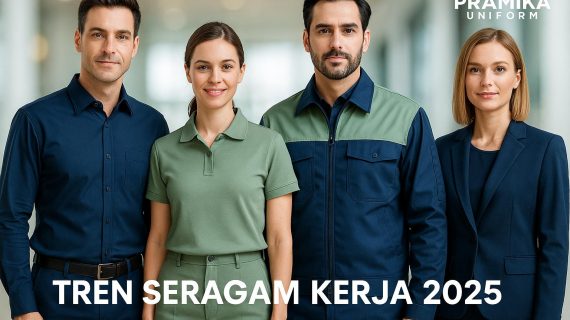
As we look towards 2025, the uniform manufacturing landscape is undergoing a transformative period, driven by evolving workplace dynamics, technological advancements, and a heightened focus on sustainability. Businesses are no longer just looking for basic attire; they demand uniforms that reflect their brand identity, enhance employee well-being, and align with modern values. This shift is pushing uniform manufacturing services, or jasa konveksi seragam, to innovate rapidly.
Understanding the Shift in Corporate and Institutional Demands
The modern workplace is more dynamic than ever, with hybrid work models, flexible office spaces, and a greater emphasis on employee comfort and satisfaction. This directly impacts the demand for uniforms. Companies are moving away from rigid, traditional designs towards more versatile, comfortable, and stylish options that employees are proud to wear. Institutions, from healthcare to education, are also seeking uniforms that offer enhanced functionality, hygiene, and durability, while still projecting a professional image. The demand for uniforms that can adapt to various roles and environments, from client-facing interactions to back-office tasks, is growing. This includes a preference for uniforms that are easy to care for, resist wrinkles, and maintain their appearance throughout the day, reflecting a practical approach to professional wear.
Anticipating Material and Design Preferences for Next Year
Material science and design aesthetics are at the forefront of these emerging trends. For 2025, we anticipate a strong preference for:
- Breathable and Moisture-Wicking Fabrics: Essential for comfort, especially in warmer climates or active roles. These materials help regulate body temperature and keep wearers dry.
- Stretch and Performance Materials: Fabrics with elastane or similar properties offer greater freedom of movement, crucial for roles requiring physical activity or long hours of wear.
- Anti-Microbial and Odor-Resistant Properties: Particularly important in healthcare, food service, and other sectors where hygiene is paramount.
- Sustainable and Recycled Fibers: A growing demand for eco-friendly options, including recycled polyester, organic cotton, and innovative bio-based materials.
- Modern, Streamlined Cuts: Designs that are less boxy and more tailored, offering a contemporary and professional look without sacrificing comfort.
- Gender-Neutral and Inclusive Designs: A move towards uniform options that are comfortable and flattering for all body types and gender identities, promoting inclusivity.
- Modular and Layering Components: Uniforms designed with interchangeable elements (e.g., detachable sleeves, reversible vests) to adapt to different temperatures or tasks.
These preferences highlight a holistic approach to uniform design, where functionality, comfort, style, and ethical considerations are equally important.
Key Innovations Shaping Jasa Konveksi Seragam in 2025
The uniform manufacturing sector is not immune to the rapid pace of technological advancement. In 2025, we will see significant innovations that redefine what uniforms can do and how they are produced. These advancements are crucial for any jasa konveksi seragam aiming to offer cutting-edge solutions to their clients, pushing the boundaries of traditional garment production.
Advanced Fabric Technologies for Enhanced Comfort and Durability
Fabric innovation is a cornerstone of modern uniform design. Beyond basic comfort, 2025 will emphasize materials that offer a combination of advanced properties:
- Self-Cleaning and Stain-Resistant Fabrics: Utilizing nanotechnology, these fabrics repel liquids and dirt, reducing the need for frequent washing and extending garment life. This is a game-changer for industries like hospitality and healthcare.
- Temperature-Regulating Textiles: Fabrics that can adapt to environmental changes, keeping the wearer cool in heat and warm in cold. This is achieved through phase-change materials or advanced fiber structures.
- Wrinkle-Free and Shape-Retention Materials: Minimizing the need for ironing and ensuring uniforms maintain a crisp, professional appearance throughout the day, even after prolonged wear.
- Enhanced Durability and Abrasion Resistance: Especially vital for industrial and outdoor workwear, these fabrics are engineered to withstand harsh conditions, reducing replacement costs and environmental impact.
- Sustainable Performance Fabrics: Combining eco-friendly sourcing with high-performance features, such as recycled polyester with moisture-wicking properties or organic cotton blended with stretch fibers.
These fabric innovations not only improve the wearer’s experience but also contribute to the longevity and sustainability of the uniforms.
Smart Uniform Integration and Wearable Tech Potential
The integration of technology into uniforms is moving beyond mere novelty to practical application. Smart uniforms are poised to become a significant trend in 2025, offering tangible benefits across various sectors:
- RFID and NFC Tags: Embedded tags for efficient inventory management, tracking uniform usage, and streamlining laundry processes. This helps organizations manage large uniform inventories with greater accuracy.
- Integrated Sensors for Health and Safety: In high-risk environments, uniforms can incorporate sensors to monitor vital signs, detect hazardous chemicals, or track worker location, enhancing safety protocols. For example, construction workers could have uniforms that detect overheating or falls.
- Wearable Communication Devices: Seamlessly integrated microphones and speakers for hands-free communication, particularly useful in logistics, security, and event management.
- Heated or Cooled Elements: For extreme environments, uniforms with integrated heating or cooling elements can provide crucial comfort and protection, powered by small, lightweight batteries.
- Biometric Authentication: Uniforms with embedded biometric scanners for secure access control in sensitive areas, adding an extra layer of security.
While still emerging, the potential for smart uniform integration is vast, promising to transform operational efficiency and employee safety across numerous industries.
Sustainable Practices Revolutionizing Uniform Production Services
Sustainability is no longer a niche concern but a core expectation for businesses and consumers alike. In 2025, uniform production services, including jasa konveksi seragam, will be increasingly judged by their commitment to eco-friendly and ethical practices. This shift is driving innovation in material sourcing, manufacturing processes, and waste management.
Eco-Friendly Materials and Ethical Sourcing Strategies
The demand for sustainable materials is accelerating, pushing manufacturers to explore alternatives to conventional fabrics. Key trends in eco-friendly materials include:
- Recycled Polyester (rPET): Made from recycled plastic bottles, rPET reduces plastic waste and energy consumption compared to virgin polyester. It’s becoming a staple for durable and performance-oriented uniforms.
- Organic Cotton: Grown without harmful pesticides or synthetic fertilizers, organic cotton offers a softer feel and reduces environmental impact.
- Tencel™ Lyocell and Modal: These cellulosic fibers are derived from sustainably sourced wood pulp using environmentally responsible closed-loop processes, known for their softness, breathability, and drape.
- Hemp and Linen: Natural fibers requiring less water and pesticides than cotton, offering durability and a distinctive texture.
- Innovative Bio-Based Materials: Research into materials like mushroom leather, pineapple leaf fibers, and algae-based textiles is progressing, promising even more sustainable options in the future.
Beyond materials, ethical sourcing strategies are paramount. This involves ensuring fair labor practices, safe working conditions, and transparent supply chains. Businesses are increasingly scrutinizing their suppliers to guarantee that their uniforms are produced without exploitation, aligning with global ethical standards and consumer expectations for corporate social responsibility.
Waste Reduction and Circular Economy Models in Manufacturing
The concept of a circular economy, where waste is minimized and resources are kept in use for as long as possible, is gaining traction in uniform manufacturing. This involves a paradigm shift from a linear “take-make-dispose” model to one focused on regeneration and reuse. Key strategies for waste reduction and circularity include:
- Design for Longevity: Creating uniforms that are durable, repairable, and timeless in design, extending their lifespan and reducing the frequency of replacement.
- Textile Recycling Programs: Implementing systems to collect and recycle old uniforms, turning them into new fibers or other products, rather than sending them to landfills.
- Upcycling and Repurposing: Transforming discarded uniform materials into new garments or accessories, adding value and reducing waste.
- Minimizing Production Waste: Utilizing advanced cutting techniques, digital prototyping, and on-demand manufacturing to reduce fabric scraps and overproduction.
- Closed-Loop Manufacturing: Processes where water, energy, and chemicals are reused and recycled within the production cycle, minimizing environmental discharge.
Embracing these circular economy principles allows uniform manufacturers to not only reduce their environmental footprint but also offer more sustainable and responsible solutions to their clients, enhancing their brand reputation and appeal.
Technological Advancements in Modern Uniform Manufacturing
The uniform industry is undergoing a digital transformation, with technology playing a pivotal role in enhancing efficiency, precision, and customization. For jasa konveksi seragam providers, leveraging these advancements is key to meeting the complex demands of modern clients and staying competitive in 2025. From design to production, technology is streamlining every step.
Automation and AI in Design and Production Processes
Automation and Artificial Intelligence (AI) are revolutionizing how uniforms are designed and manufactured, bringing unprecedented levels of efficiency and accuracy:
- AI-Powered Trend Prediction: AI algorithms can analyze vast amounts of data, including fashion trends, material innovations, and consumer preferences, to predict future uniform styles and functional requirements. This helps manufacturers stay ahead of the curve.
- Automated Pattern Making and Grading: Software-driven systems can quickly generate precise patterns and grade them across multiple sizes, significantly reducing manual effort and errors.
- Robotic Cutting and Sewing: Advanced robotic systems are capable of precise fabric cutting and even complex sewing tasks, increasing production speed, consistency, and reducing labor costs. This is particularly beneficial for large-volume orders.
- Quality Control with Machine Vision: AI-powered cameras can inspect garments for defects at various stages of production, identifying flaws that might be missed by the human eye, ensuring higher quality output.
- Inventory and Supply Chain Optimization: AI can optimize inventory levels, predict demand fluctuations, and manage complex supply chains, leading to reduced waste and improved delivery times.
These automated and AI-driven processes not only accelerate production but also ensure a higher degree of consistency and quality in the final product, making uniform manufacturing more reliable and cost-effective.
Digital Prototyping and 3D Design for Custom Uniforms
The traditional process of creating physical samples for uniform design is time-consuming and resource-intensive. Digital prototyping and 3D design are changing this, offering a faster, more sustainable, and highly customizable approach:
- Virtual 3D Garment Simulation: Designers can create realistic 3D models of uniforms, allowing clients to visualize designs, fabric drapes, and fit without producing a single physical sample. This accelerates the approval process.
- Digital Fabric Libraries: Extensive digital libraries of fabrics with accurate physical properties (stretch, texture, color) enable designers to experiment with different materials virtually.
- Virtual Try-Ons: Some advanced platforms allow employees to “try on” virtual uniforms on their digital avatars, ensuring proper fit and style preference before mass production.
- Faster Iteration and Feedback: Changes to designs can be made instantly in the 3D environment, facilitating rapid iteration based on client feedback and reducing lead times.
- Reduced Material Waste: By minimizing the need for physical samples, digital prototyping significantly reduces fabric waste, aligning with sustainable manufacturing goals.
These digital tools empower uniform manufacturers to offer highly customized solutions with greater speed and efficiency, providing clients with a clear vision of their final product and reducing environmental impact.
Designing Future-Ready Uniforms: Aesthetic and Functional Trends
The uniform of 2025 is more than just a piece of clothing; it’s a strategic asset that reflects a brand’s values, enhances employee performance, and contributes to a positive work environment. For any jasa konveksi seragam, understanding the interplay between aesthetics and functionality is crucial for designing uniforms that are truly future-ready. The focus is on creating versatile, stylish, and practical attire.
Minimalism and Versatility in Professional Uniform Design
The trend towards minimalism and versatility is gaining significant traction in uniform design. This approach prioritizes clean lines, understated elegance, and adaptability, moving away from overly complex or branded designs:
- Clean Lines and Simple Silhouettes: Designs that are uncluttered and timeless, ensuring uniforms remain relevant for longer periods and project a sophisticated image.
- Neutral Color Palettes: While brand colors remain important, there’s a growing preference for base uniforms in neutral tones (grays, navies, blacks, whites) that can be easily accessorized with brand-specific elements.
- Modular Components: Uniforms designed with interchangeable parts, such as different collar options, sleeve lengths, or layering pieces, allowing for customization based on role, weather, or personal preference.
- Multi-Functional Garments: Pieces that can transition seamlessly between different tasks or environments, for example, a jacket that is professional enough for client meetings but durable enough for light outdoor work.
- Comfort-First Design: Prioritizing ergonomic cuts and soft, flexible fabrics that allow for ease of movement and all-day comfort, without compromising on professional appearance.
This minimalist and versatile approach ensures that uniforms are not only practical but also appealing to a diverse workforce, fostering a sense of pride and professionalism.
Incorporating Brand Identity with Modern Style Elements
While minimalism is key, effectively incorporating brand identity remains vital. The challenge for 2025 is to integrate branding subtly and stylishly, making the uniform an extension of the brand’s narrative rather than just a billboard:
- Subtle Branding Placement: Moving beyond large, overt logos to more discreet placements, such as embroidered details on cuffs, collars, or internal linings.
- Custom Patterns and Textures: Developing unique fabric patterns or textures that subtly incorporate brand motifs or colors, creating a distinctive look.
- Strategic Color Blocking: Using brand colors in a modern, sophisticated way through color-blocked panels or accents, rather than entire garments.
- Accessorization: Utilizing accessories like scarves, ties, badges, or custom buttons to inject brand personality and allow for individual expression within a uniform standard.
- Employee Input in Design: Involving employees in the design process can lead to uniforms that are not only more comfortable and functional but also better reflect the company culture and are more readily adopted.
By balancing modern aesthetics with thoughtful brand integration, uniforms can become powerful tools for reinforcing corporate identity and fostering a cohesive, professional image.
Choosing the Right Jasa Konveksi Seragam Partner for 2025
Selecting the ideal uniform manufacturing service is a critical decision that impacts your brand image, employee satisfaction, and operational efficiency. As the industry evolves with the jasa konveksi seragam Latest Trends 2025, businesses need to look beyond basic production capabilities and seek partners who are innovative, reliable, and aligned with modern values. Making the right choice ensures your investment in uniforms yields maximum returns.
Evaluating Expertise in Trend-Driven Uniform Solutions
In a rapidly changing landscape, your uniform partner should be more than just a manufacturer; they should be a strategic advisor. When evaluating potential jasa konveksi seragam providers, consider their expertise in current and future trends:
- Innovation and R&D Focus: Does the partner actively invest in research and development for new materials, technologies, and design concepts? Look for evidence of their commitment to innovation.
- Portfolio of Modern Designs: Review their past work. Do they showcase contemporary, functional, and aesthetically pleasing uniform designs that align with 2025 trends? Avoid partners whose portfolios appear outdated.
- Material Knowledge: Can they advise on the latest fabric technologies, including sustainable, performance-enhancing, and smart materials? A knowledgeable partner will guide you towards the best options for your specific needs.
- Customization Capabilities: Assess their ability to offer personalized and mass customization solutions, from unique branding elements to varied fit options.
- Sustainability Credentials: Inquire about their sustainable sourcing practices, waste reduction initiatives, and commitment to ethical manufacturing. Certifications or partnerships with eco-friendly organizations are a plus.
A partner with a forward-thinking approach will help you design uniforms that are not only stylish and functional today but also adaptable to future needs and expectations.
Importance of Quality Control and Timely Delivery
Even with the most innovative designs and materials, the success of your uniform program hinges on consistent quality and reliable delivery. These fundamental aspects remain paramount:
- Robust Quality Control Processes: Inquire about their quality assurance protocols at every stage of production, from fabric inspection to final garment checks. Look for partners with a strong track record of delivering high-quality products.
- Durability and Workmanship: Ensure the uniforms are constructed with durable stitching, high-quality hardware (buttons, zippers), and attention to detail that withstands the rigors of daily wear and industrial laundering.
- Clear Communication and Project Management: A reliable partner will maintain open lines of communication, provide regular updates, and have a clear project management system to keep your order on track.
- Adherence to Deadlines: Timely delivery is crucial, especially for seasonal rollouts or new employee onboarding. Verify their capacity to meet agreed-upon schedules and their contingency plans for unforeseen delays.
- Post-Production Support: Consider their after-sales service, including options for reorders, repairs, or addressing any issues that may arise after delivery.
Choosing a jasa konveksi seragam partner that excels in both innovation and operational excellence will ensure a smooth, successful, and long-lasting uniform program for your organization.
Impact of Customization on Uniform Services in the Coming Year
Customization is rapidly transforming the uniform industry, moving beyond simple logo embroidery to encompass a broader range of personalized options. In 2025, the ability of jasa konveksi seragam providers to offer nuanced and extensive customization will be a key differentiator. This trend is driven by a desire to enhance employee satisfaction, reinforce brand identity, and meet the diverse needs of modern organizations.
Personalized Uniforms for Enhanced Employee Satisfaction
Employees are increasingly seeking comfort, fit, and a degree of personal expression in their work attire. Personalized uniforms address these desires, leading to significant benefits for organizations:
- Improved Fit and Comfort: Offering a wider range of sizes, cuts (e.g., slim fit, relaxed fit), and even made-to-measure options ensures uniforms fit well, boosting comfort and confidence.
- Choice in Style Elements: Providing options for collar styles, pocket configurations, sleeve lengths, or even different fabric blends for specific roles allows employees to have a say in their uniform, fostering a sense of ownership.
- Gender-Inclusive Options: Moving beyond traditional male/female sizing to offer more fluid, comfortable, and flattering options for all body types and gender identities.
- Enhanced Professionalism: When employees feel good in their uniforms, they project a more professional and positive image, which reflects well on the organization.
- Increased Morale and Retention: Investing in personalized, comfortable uniforms demonstrates that an organization values its employees, contributing to higher morale and potentially reducing turnover.
By empowering employees with choices, organizations can create a uniform program that is not just functional but also a source of pride and satisfaction.
Mass Customization Strategies for Diverse Organizational Needs
For larger organizations with diverse departments, roles, and geographical locations, mass customization offers a scalable solution to meet varied uniform requirements without sacrificing brand consistency. This involves creating a core uniform framework that allows for significant variations:
- Modular Design Systems: Developing a collection of interchangeable uniform components (e.g., different types of shirts, jackets, trousers, and accessories) that can be mixed and matched to suit specific roles or preferences.
- Configurator Tools: Utilizing online platforms where clients can select from a range of pre-approved design elements, colors, fabrics, and branding options to create their customized uniform sets.
- Role-Specific Adaptations: Customizing uniforms with features relevant to particular job functions, such as extra pockets for technicians, reinforced knees for industrial workers, or specific fabric treatments for healthcare professionals.
- Regional and Climate Adaptations: Offering variations in fabric weight, layering options, or ventilation features to suit different climates or regional dress codes.
- Branding Flexibility: Allowing for different levels of branding, from prominent logos for public-facing roles to subtle branding for internal staff, while maintaining a cohesive overall look.
Mass customization enables organizations to provide tailored uniform solutions that cater to individual and departmental needs, ensuring functionality and comfort across the board, while maintaining a unified brand presence.
Key Takeaways & Next Steps
The uniform industry is on the cusp of a significant transformation, driven by innovation, sustainability, and a renewed focus on employee well-being. The jasa konveksi seragam Latest Trends 2025 highlight a future where uniforms are not merely functional garments but strategic assets that embody a brand’s values, leverage cutting-edge technology, and prioritize the comfort and satisfaction of the wearer.
Key takeaways for businesses and uniform providers include:
- Embrace Innovation: Stay informed about advanced fabric technologies and the potential of smart uniform integration to enhance functionality and safety.
- Prioritize Sustainability: Adopt eco-friendly materials, ethical sourcing, and circular economy models to meet growing demands for responsible production.
- Leverage Technology: Utilize automation, AI, and 3D digital prototyping to streamline design, production, and customization processes, improving efficiency and reducing waste.
- Focus on Design: Opt for minimalist, versatile designs that incorporate brand identity subtly, ensuring uniforms are both stylish and comfortable for a diverse workforce.
- Champion Customization: Offer personalized options to boost employee satisfaction and implement mass customization strategies to meet varied organizational needs effectively.
For organizations looking to update their uniforms or embark on a new uniform program, the next step is to partner with a jasa konveksi seragam provider that demonstrates a clear understanding of these emerging trends. Seek a partner who can offer innovative solutions, prioritize quality and ethical practices, and has the technological capabilities to deliver future-ready uniforms. By doing so, you can ensure your uniforms are not just compliant, but truly contribute to your brand’s success and your employees’ well-being in 2025 and beyond.